


How do you create more visual flexibility within your brand?
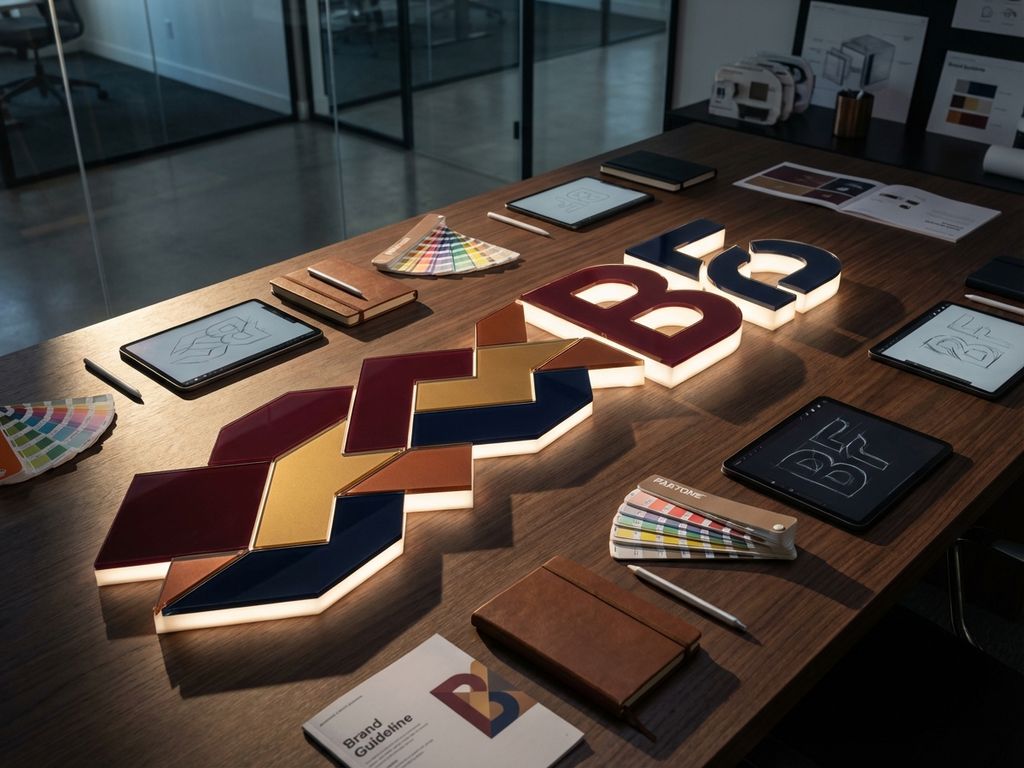
Visual flexibility in branding means creating a design system that adapts across different platforms and contexts while keeping your core identity intact. You build this through modular brand elements, clear guidelines for variation, and a strategic hierarchy of fixed versus flexible components. This approach helps your brand stay recognisable while remaining relevant across diverse touchpoints and markets.
What does visual flexibility mean in branding?
Visual flexibility allows your brand to maintain its core identity while adapting visual elements for different applications, audiences, and contexts. Think of it as having a wardrobe rather than a single outfit – you keep the same personality but dress appropriately for each occasion.
This flexibility operates within defined boundaries. Your logo might have simplified versions for small applications, your colour palette could include seasonal variations, and your typography system might offer different weights for different media. The key is maintaining brand recognition while allowing tactical adaptation.
Strong visual flexibility prevents your brand from looking outdated or inappropriate in new contexts. It’s the difference between a rigid system that breaks under pressure and an intelligent framework that bends without compromising your brand strategy. Your value proposition stays consistent even when visual execution varies.
Why do brands need visual flexibility in today’s market?
Modern brands operate across more touchpoints than ever before – from Instagram stories to billboard advertising, from mobile apps to packaging design. Each platform has different technical requirements, audience expectations, and contextual demands that your brand must navigate successfully.
International expansion adds another layer of complexity. What works in London might not resonate in Berlin or Amsterdam. Cultural nuances, local market conditions, and regional preferences require thoughtful adaptation while maintaining your core brand building principles.
Consumer attention spans are shorter, and competition for visibility is fierce. Your brand needs to feel fresh and relevant without constantly reinventing itself. Visual flexibility enables you to stay current through tactical updates rather than expensive rebranding exercises. This approach supports sustainable brand renewal that evolves with market demands.
What are the core elements that should remain consistent versus flexible?
Your brand’s non-negotiable elements typically include your core logo mark, primary brand colours, and fundamental typography choices. These anchor points ensure recognition regardless of context. Your company positioning should shine through consistently in every visual expression.
Flexible elements include secondary colour palettes, logo variations for different applications, supporting graphics, photography styles, and layout approaches. These components can adapt while staying true to your brand personality and strategic direction.
The decision framework is simple: if changing an element would make your brand unrecognisable to existing customers, it’s a fixed component. If adaptation helps you communicate more effectively in specific contexts without losing your essence, it’s flexible. Your value proposition remains constant even when visual execution varies.
How do you build flexibility into your brand guidelines?
Create modular design systems that work like building blocks rather than rigid templates. Document multiple logo variations, establish colour hierarchy with primary and secondary palettes, and define typography systems that include different weights and styles for various applications.
Develop usage scenarios that show how your brand adapts across different contexts. Include examples for digital platforms, print materials, packaging, and environmental applications. Specify when to use which variations and why certain choices work better in specific situations.
Your guidelines should read like an instruction manual, not a rulebook. Include decision trees that help team members choose appropriate brand elements for new situations. This empowers consistent decision-making even when facing unprecedented challenges or opportunities for brand building.
What common mistakes should you avoid when creating visual flexibility?
Over-flexibility dilutes brand recognition and confuses audiences. When everything can change, nothing stays memorable. Avoid creating so many variations that your brand loses its distinctive character or becomes unrecognisable across different applications.
Under-documentation leads to inconsistent application. Team members need clear guidance about when and how to use flexible elements. Without proper instruction, good intentions result in brand chaos and weakened market presence.
Ignoring the hierarchy between fixed and flexible elements causes strategic drift. Your core brand strategy should remain stable while tactical execution adapts. Don’t let visual flexibility compromise your fundamental company positioning or dilute your carefully crafted value proposition.
How King Of Hearts helps strengthen your brand positioning
We create visually flexible brand systems that maintain strategic consistency while enabling tactical adaptation. Our approach balances creative freedom with strategic discipline, ensuring your brand stays recognisable and relevant across all touchpoints and markets.
Our methodology includes:
- Strategic brand architecture that defines your fixed versus flexible elements
- Modular design systems that adapt without losing brand recognition
- Comprehensive guidelines with clear usage scenarios and decision frameworks
- International scalability planning for European and global market expansion
Through our proven Battle Plan methodology and strategic tools like Brand Key and Value Proposition Canvas, we build brand systems that grow with your business. Discover our expertise in creating brands that move people, or contact us to discuss how visual flexibility can strengthen your brand position in competitive markets.
Frequently Asked Questions
How do I know if my current brand system is too rigid or too flexible?
Test your brand across 5-10 different applications (social media, print, packaging, digital ads). If you struggle to maintain recognition or find yourself constantly creating new elements, you likely have flexibility issues. A well-balanced system should feel cohesive yet adaptable without requiring major modifications for new contexts.
What's the best way to get stakeholder buy-in for a more flexible brand system?
Present concrete examples showing how flexibility solves real business problems – demonstrate cost savings from avoiding frequent rebrands, show improved performance across different markets, and illustrate how competitors with flexible systems outperform rigid ones. Focus on business outcomes rather than design theory.
How often should I review and update my brand's flexible elements?
Review flexible elements annually or when entering new markets, but avoid constant changes that confuse audiences. Fixed elements should rarely change, while flexible components can evolve with trends and market demands. Set up quarterly check-ins to assess performance across different applications.
Can small businesses afford to implement visual flexibility, or is it only for large corporations?
Visual flexibility is actually more critical for small businesses operating with limited budgets. Start with 2-3 logo variations, a primary and secondary colour palette, and basic usage guidelines. This prevents expensive redesigns and ensures professional consistency as you grow across new platforms and markets.
What should I do if my team consistently misapplies the flexible brand elements?
Create simple decision trees and visual examples that show correct versus incorrect usage. Provide template libraries and conduct brief training sessions focusing on the 'why' behind guidelines. Consider appointing brand champions within different departments to maintain consistency and answer questions.
How do I maintain brand consistency when working with external agencies or freelancers?
Provide comprehensive brand packages that include not just guidelines but also working files, templates, and real-world examples. Create a brand onboarding checklist for new partners and establish approval processes for brand applications. Regular check-ins prevent costly corrections later in projects.
What's the biggest red flag that indicates my brand flexibility isn't working?
If customers or stakeholders regularly fail to recognise your brand across different applications, or if you're spending excessive time explaining brand decisions to team members, your system needs refinement. Effective flexibility should make brand application easier, not more complicated.