


How do you strengthen your brand without losing existing customers?
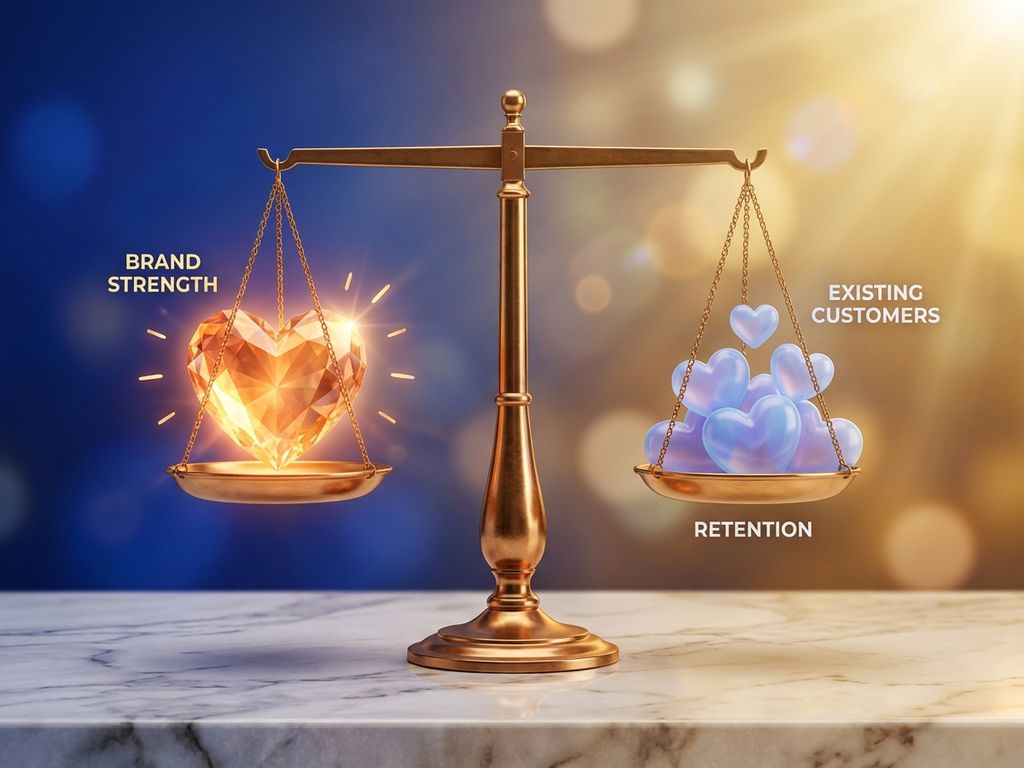
Strengthening your brand means evolving your positioning, messaging, or visual identity to better serve business goals while maintaining the trust and loyalty of existing customers. The key lies in strategic, gradual changes that enhance rather than replace what customers already value. This requires careful testing, clear communication, and a focus on improvements that align with customer expectations rather than dramatic overhauls that might alienate your current base.
What does it mean to strengthen your brand without losing customers?
Brand strengthening involves strategic evolution rather than complete transformation. You’re enhancing your value proposition and refining your positioning to better serve both current customers and future growth opportunities. Unlike a total rebrand that might confuse or alienate loyal customers, strengthening builds upon existing trust while addressing gaps in your current brand strategy.
This approach recognizes that your existing customers chose you for specific reasons. They’ve formed emotional connections with your brand’s personality, values, and promise. Successful brand strengthening identifies which elements drove that initial attraction and preserves them while improving areas that limit growth or clarity.
The balance requires understanding what makes your brand distinctive in customers’ minds. Your company positioning might need refinement, but the core promise that built customer relationships should remain recognizable. Think of it as upgrading your brand’s performance rather than changing its fundamental character.
Why do customers resist brand changes?
Customers resist brand changes because they’ve invested emotional energy in your current identity. Your brand represents familiarity, reliability, and proven value in their minds. When you alter visual elements, messaging, or positioning, customers may interpret this as a signal that the underlying product or service quality might change too.
This resistance stems from psychological attachment to consistent experiences. Customers develop mental shortcuts that help them quickly identify and choose brands they trust. Changes to logos, colors, or messaging force them to rebuild these mental associations, creating cognitive effort they’d rather avoid.
Fear of change also plays a role. Loyal customers worry that brand updates signal shifts in company priorities, potentially away from serving existing customers toward attracting new ones. They’ve experienced situations where beloved brands changed and lost the qualities that originally attracted them.
The emotional connection runs deeper than rational evaluation. Customers don’t just buy products; they buy into brand stories and identities that reflect their own values and aspirations. Changing these elements can feel like a betrayal of an unspoken relationship.
How do you test brand changes before full implementation?
Testing brand changes starts with customer surveys that gauge reactions to proposed modifications. Present visual concepts, new messaging, or positioning statements to representative customer segments. Ask specific questions about recognition, emotional response, and perceived value rather than general preferences.
Focus groups provide deeper insights into customer reasoning and concerns. Facilitate discussions about which current brand elements matter most and how proposed changes align with customer expectations. Pay attention to the language customers use to describe your brand, as this reveals important associations to preserve.
A/B testing works particularly well for digital brand elements. Test new website designs, email templates, or social media content with small customer segments. Monitor engagement metrics, conversion rates, and customer feedback to identify which changes enhance rather than harm performance.
Soft launches allow you to introduce changes gradually. Start with less visible touchpoints like internal communications or specific product lines. This approach lets you gather feedback and refine your approach before applying changes to high-impact customer interactions.
Consider pilot programs with select customer groups who are particularly engaged with your brand. These customers often provide honest feedback and can become advocates for positive changes when you expand implementation.
What brand elements can you change safely?
Visual refinements typically present the lowest risk when executed thoughtfully. You can modernize typography, adjust color saturation, or simplify logo details while maintaining overall recognition. These changes signal progress without disrupting the fundamental brand identity that customers recognize and trust.
Messaging updates work well when they clarify rather than contradict existing perceptions. Strengthening your brand strategy might involve more precise language about your value proposition or clearer articulation of customer benefits. Avoid changing core promises or positioning that originally differentiated you.
Secondary brand elements offer a safe testing ground for more significant changes. Website layouts, packaging details, or marketing materials can incorporate new directions without affecting primary brand recognition. These changes let customers gradually adjust to evolving brand expression.
Core elements requiring extreme caution include your company name, primary logo, fundamental value proposition, and established brand personality traits. These form the foundation of customer recognition and emotional connection. Changes here should only occur when absolutely necessary for business survival or growth.
Customer experience improvements almost always strengthen brands safely. Enhanced service quality, improved product features, or streamlined processes reinforce positive brand associations without requiring customers to adjust their mental models of your brand.
How do you communicate brand evolution to existing customers?
Communicate brand changes as improvements that benefit customers rather than arbitrary updates. Frame modifications as responses to customer feedback or market evolution that help you serve them better. This positioning shows respect for customer relationships and demonstrates that changes serve their interests.
Timing matters significantly in brand communication. Announce changes before customers encounter them unexpectedly. Give loyal customers advance notice through direct channels like email or personal communication. This courtesy prevents confusion and shows you value their ongoing relationship.
Explain the reasoning behind changes without overwhelming customers with internal business details. Focus on how modifications enhance their experience or better reflect the value you’ve always provided. Connect new elements to familiar brand qualities they already appreciate.
Use multiple communication channels to ensure message consistency. Your website, social media, customer service team, and sales materials should all tell the same story about brand evolution. Mixed messages create uncertainty and undermine confidence in the changes.
Acknowledge customer attachment to previous brand elements when appropriate. Recognizing their emotional investment shows empathy and helps them feel heard during transition periods. This acknowledgment often reduces resistance and builds goodwill for new directions.
How King Of Hearts helps strengthen your brand positioning
We approach brand building through our proven Battle Plan methodology that balances evolution with customer relationship preservation. Our strategic framework identifies which brand elements drive customer loyalty and which limit growth potential, ensuring changes strengthen rather than disrupt valuable connections.
Our three-layer methodology addresses strategy, creation, and activation simultaneously. We use tools like Brand Key and Value Proposition Canvas to map customer perceptions and identify opportunities for strategic enhancement without alienating existing relationships. This systematic approach prevents costly missteps that damage customer trust.
Key elements of our brand strengthening process include:
- Customer perception audits that reveal true brand associations
- Strategic positioning refinement that builds on existing strengths
- Gradual implementation strategies that allow customer adjustment
- Communication frameworks that explain evolution clearly
- Testing protocols that validate changes before full deployment
We’ve guided companies through successful brand renewal across technology, retail, and B2B sectors, always prioritizing customer relationship preservation alongside strategic advancement. Our approach ensures your strengthened brand position attracts new opportunities while maintaining the loyalty that built your business.
Ready to strengthen your brand position strategically? Learn more about our expertise in brand strategy and positioning, or contact us to discuss your specific brand strengthening goals.
Frequently Asked Questions
How long should a brand strengthening process typically take?
A strategic brand strengthening process usually takes 3-6 months for planning and initial implementation, with full integration occurring over 6-12 months. This timeline allows for proper customer research, testing phases, and gradual rollout that minimizes disruption while ensuring changes resonate with your audience.
What's the biggest mistake companies make when trying to strengthen their brand?
The most common mistake is changing too many elements simultaneously without adequate testing. Companies often rush to implement comprehensive changes across all touchpoints, overwhelming customers and diluting the impact. Focus on one or two key improvements at a time and validate each change before expanding.
How do you measure the success of brand strengthening efforts?
Track both quantitative metrics (customer retention rates, brand recognition scores, engagement metrics) and qualitative feedback (customer sentiment, brand perception surveys, support ticket themes). Monitor these indicators before, during, and after implementation to ensure changes strengthen rather than weaken customer relationships.
Should we involve customers directly in the brand strengthening process?
Yes, but strategically. Include loyal customers in research phases and feedback sessions, but avoid design-by-committee approaches. Use customer insights to guide decisions while maintaining creative control. Consider forming a customer advisory group that can provide ongoing feedback throughout the process.
What if customers react negatively to our brand changes despite careful planning?
Have a rollback plan ready and respond quickly to legitimate concerns. Sometimes negative reactions stem from poor communication rather than the changes themselves. Address feedback transparently, make adjustments where possible, and consider a more gradual implementation if the changes are strategically sound.
How do you strengthen a brand when operating in multiple markets or regions?
Develop a core brand framework that maintains consistency while allowing regional adaptations. Test changes in smaller markets first, and consider cultural differences in brand perception and change acceptance. Ensure your strengthening strategy addresses global brand coherence while respecting local market preferences.
When is it better to do a complete rebrand instead of gradual brand strengthening?
Complete rebranding is necessary when your current brand actively hinders business goals, faces serious reputation issues, or when entering entirely new markets where current positioning creates confusion. If your brand equity is strong and customer relationships are valuable, strengthening is almost always the better approach.