


What are the risks of starting over with your brand?
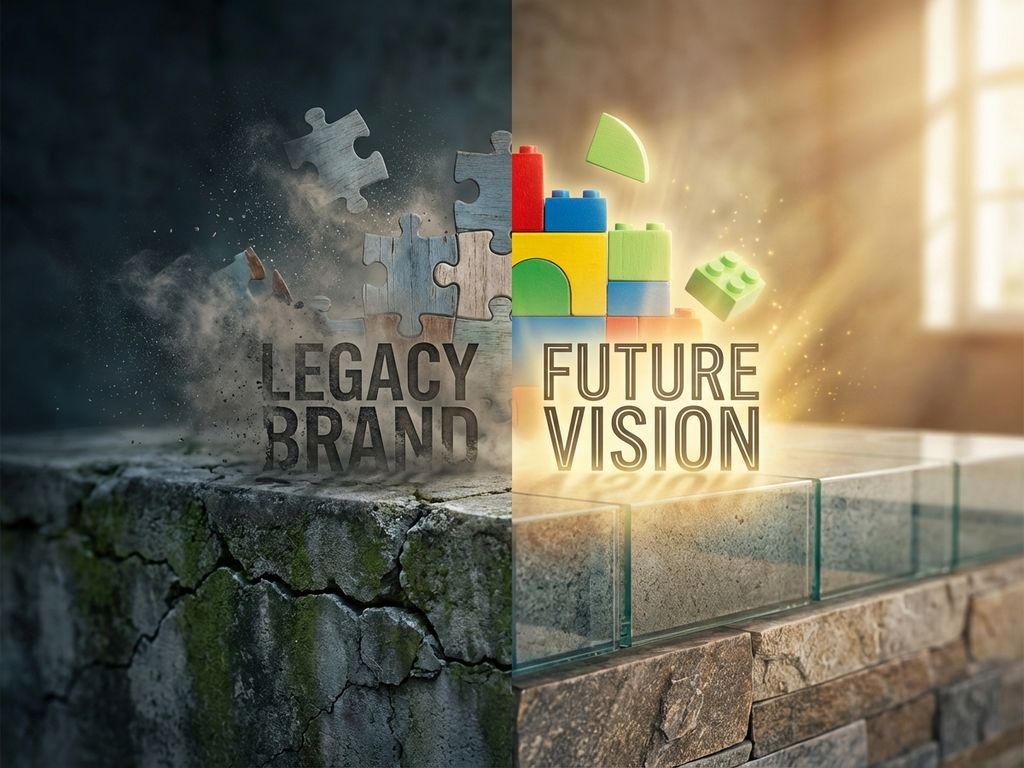
Starting over with your brand carries significant risks, including lost brand equity, customer confusion, and potential revenue drops during the transition. You’ll face direct costs for design and marketing materials, plus indirect costs from rebuilding recognition and trust. However, with proper strategic planning, these risks can be managed while positioning your brand for stronger future growth.
What does it really mean to start over with your brand?
Starting over with your brand means completely transforming your visual identity, messaging, positioning, and how customers perceive your company. This goes far beyond updating your logo or changing colours. You’re essentially rebuilding how people think and feel about your business from the ground up.
A brand restart differs significantly from brand evolution. Evolution involves gradual changes that maintain continuity with your existing identity. A restart abandons previous brand elements to create something entirely new. This affects everything from your value proposition and company positioning to your visual systems and communication style.
The scope includes redefining your brand strategy, creating new visual assets, updating all marketing materials, and shifting internal culture. You’ll need to rebuild customer recognition, re-establish market position, and recreate emotional connections that took years to develop.
This transformation touches every customer touchpoint. Your website, packaging, advertising, employee communications, and even your office environment need updating. The change isn’t just external—your team must understand and embody the new brand identity in every interaction.
What are the biggest financial risks of rebranding your business?
Financial risks include direct design and implementation costs, plus significant indirect costs from lost brand equity and customer confusion. Direct expenses cover strategy development, visual identity creation, website updates, marketing material production, and staff training. These costs often exceed initial budgets as the full scope becomes clear.
Lost brand equity represents your biggest hidden cost. Years of brand building and customer recognition disappear overnight. Customers who knew and trusted your previous brand may not recognise or connect with the new identity immediately. This recognition gap can last months or even years.
Revenue drops during transition periods are common. Existing customers might hesitate to purchase while they process the change. New customers lack the familiarity that drives purchase decisions. Your sales team may struggle to communicate the new brand effectively during this adjustment period.
Marketing becomes more expensive as you rebuild awareness from zero. Advertising costs increase because you’re essentially launching a new brand rather than reinforcing an established one. Search engine rankings may suffer if your brand renewal includes domain changes or significant content updates.
How do customers typically react when brands completely change?
Customers often experience confusion and uncertainty when familiar brands change completely. Initial reactions range from surprise to disappointment, especially among loyal customers who felt connected to your previous identity. Many need time to understand and accept the transformation.
Rebuilding trust becomes necessary because customers associate reliability with consistency. When you change everything, some question whether your products, services, or values have changed too. This uncertainty can temporarily reduce purchase confidence and customer loyalty.
Recognition challenges create practical problems. Customers may not find you in search results, struggle to identify your products on shelves, or fail to recognise your communications. This confusion can drive them toward competitors who offer familiar alternatives.
However, brand renewal can attract new customer segments who weren’t interested in your previous identity. The key is maintaining clear communication throughout the transition. Explain why you’ve changed, what remains the same, and how the new brand better serves their needs. Transparency helps customers navigate the change more comfortably.
What internal challenges arise when you restart your brand identity?
Employee adaptation difficulties create internal resistance and confusion about how to represent the new brand. Staff members who felt proud of the previous identity may struggle to embrace change. Sales teams need time to learn new messaging and overcome their own uncertainty about the transformation.
Internal alignment becomes complex when different departments interpret the new brand differently. Without clear guidelines and training, inconsistent brand representation emerges across customer touchpoints. Marketing might communicate one message while customer service delivers another.
Cultural shifts require significant effort because brand identity is closely tied to company culture. Employees must understand not just what the brand looks like, but what it stands for and how it should influence their daily work. This cultural adaptation takes months of consistent reinforcement.
Training requirements extend beyond marketing teams. Everyone from reception staff to senior management needs to understand and communicate the new brand effectively. This training investment is often underestimated but remains vital for successful brand renewal implementation.
How do you protect your market position during a brand restart?
Protecting market position requires maintaining customer relationships through clear communication and consistent service quality during the transition. Focus on reassuring existing customers that your core value proposition and service standards remain unchanged even as your identity evolves.
Stakeholder communication becomes critical. Inform key customers, partners, and suppliers about the change before it happens. Explain your reasons, timeline, and what it means for them. This proactive approach prevents confusion and maintains business relationships during the transition.
Preserving competitive advantage requires emphasising continuity in your unique strengths. If your brand renewal changes how you look but not what you do best, communicate this clearly. Customers need to understand that your core capabilities and expertise remain intact.
Operational consistency helps maintain market position when your visual identity changes. Keep your quality standards, customer service approach, and business processes stable. This consistency reassures customers that only the surface elements have changed, not the underlying business they trusted.
How King Of Hearts helps strengthen your brand positioning
We understand that brand renewal requires strategic thinking that goes beyond visual changes. Our approach focuses on minimising risks while maximising the strategic value of your brand transformation through our proven Battle Plan methodology.
Our comprehensive support includes:
- Strategic risk assessment before any changes begin
- Stakeholder communication planning to maintain relationships
- Phased implementation that reduces market disruption
- Internal alignment programmes for your entire team
- Ongoing support during the critical transition period
We’ve guided organisations through complex brand transformations across multiple markets, helping them emerge stronger and more competitive. Our three-layer methodology ensures your brand strategy, creative execution, and market activation work together seamlessly.
Ready to explore how strategic brand renewal can strengthen your market position? Discover our expertise in brand transformation or contact us to discuss your specific situation. We’ll help you navigate the risks and capture the opportunities that come with bold brand decisions.
Frequently Asked Questions
How long does it typically take to see positive results after a complete brand restart?
Most businesses see initial market acceptance within 3-6 months, but full brand recognition and trust rebuilding can take 12-18 months. The timeline depends on your industry, customer base, and how effectively you communicate the change. B2B companies often experience longer adjustment periods than B2C brands due to more complex decision-making processes.
Should we inform competitors about our brand restart, or keep it confidential until launch?
Keep your brand restart confidential from competitors until launch, but inform key stakeholders (major clients, suppliers, partners) beforehand. Competitors might exploit the transition period if they know in advance, potentially targeting your confused customers. However, transparency with important business relationships prevents disruption and maintains trust.
What's the biggest mistake companies make when restarting their brand?
The biggest mistake is changing everything simultaneously without maintaining any connection to what customers valued about the original brand. Successful brand restarts preserve core strengths and values while updating the external presentation. Companies also underestimate the internal training required and fail to prepare their teams adequately for customer questions.
How do we measure whether our brand restart was successful?
Track both quantitative metrics (brand recognition surveys, sales figures, website traffic, customer acquisition costs) and qualitative feedback (customer sentiment, employee confidence, stakeholder reactions). Establish baseline measurements before the restart and monitor progress monthly. Success indicators include recovering pre-restart sales levels, improved brand perception scores, and positive customer feedback about the new identity.
Can we test our new brand identity before fully committing to the restart?
Yes, conduct limited market testing through focus groups, A/B testing on digital platforms, or pilot launches in specific geographic markets. Test key brand elements like messaging, visual identity, and customer reactions before full implementation. This approach helps identify potential issues and refine the brand before company-wide rollout, reducing overall risk.
What should we do if customers react more negatively than expected to our brand restart?
Respond quickly with increased communication explaining the reasons for change and addressing specific concerns. Consider adjusting elements that cause the strongest negative reactions while maintaining your core strategic direction. Implement additional customer support during the transition and potentially extend the timeline for full implementation to allow more gradual acceptance.
How do we maintain SEO rankings and online visibility during a brand restart?
Implement proper 301 redirects if changing domain names, maintain consistent content themes, and gradually update online profiles rather than changing everything overnight. Keep core keywords relevant to your business and inform Google of significant changes through Search Console. Consider keeping some recognizable elements in meta descriptions during the transition period to maintain search recognition.