


What impact does a richer brand identity have on perception?
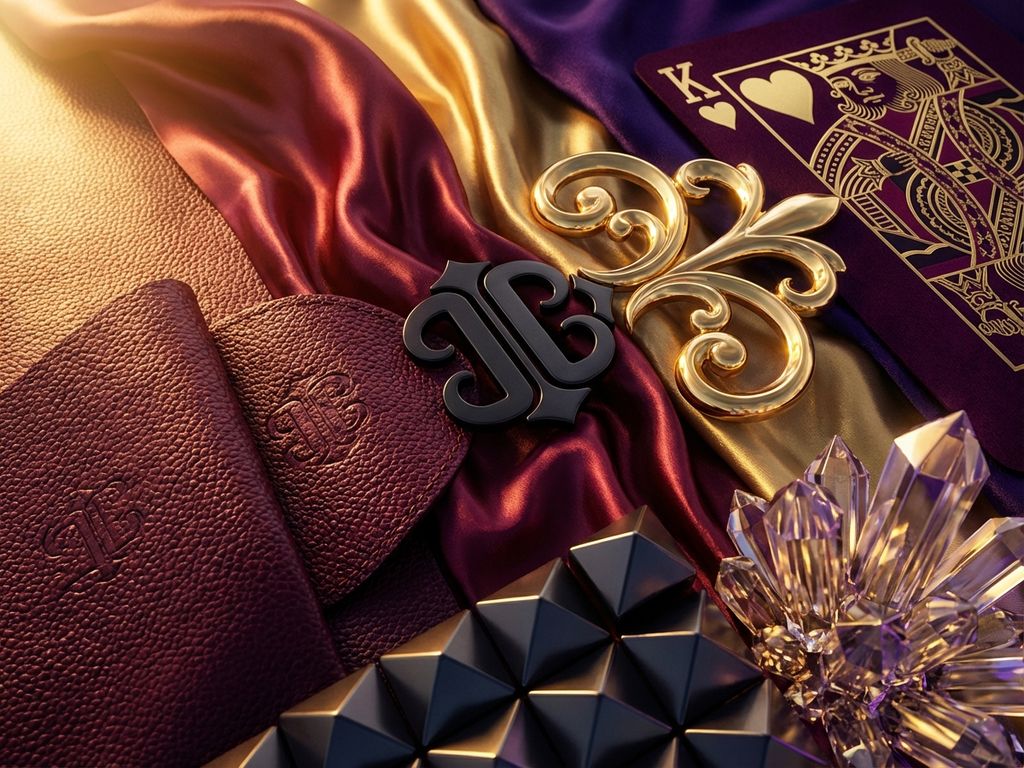
A richer brand identity transforms how customers perceive your business by creating deeper emotional connections and stronger trust signals than basic visual elements alone. Rich brand identities combine strategic positioning, consistent visual systems, and authentic storytelling across all touchpoints to build lasting impressions. This comprehensive approach influences purchasing decisions, increases customer loyalty, and differentiates your business from competitors through meaningful brand experiences that resonate with your target audience.
What exactly makes a brand identity ‘richer’ than basic branding?
A rich brand identity goes far beyond logos and colour schemes to create a comprehensive system of strategic positioning, emotional resonance, and consistent experiences. Unlike basic branding, which focuses on visual elements, rich brand identities integrate brand strategy, personality, and value proposition into every customer interaction.
Basic branding typically includes a logo, some colours, and perhaps a tagline. A rich brand identity encompasses your company positioning, messaging framework, visual language, tone of voice, and behavioural guidelines. It answers not just what your brand looks like, but why it exists, what it stands for, and how it makes people feel.
This depth creates authentic connections with customers because every touchpoint reinforces the same strategic message. Your website, packaging, customer service, and marketing materials all work together to tell a cohesive story. When customers encounter your brand anywhere, they experience the same personality and values consistently.
The strategic foundation makes the difference. Rich brand identities start with clear positioning that defines your unique place in the market. They articulate your value proposition in ways that resonate emotionally with your target audience, creating preference rather than just recognition.
How does visual consistency across touchpoints change customer perception?
Visual consistency across all customer touchpoints builds immediate recognition and professional credibility while reinforcing your brand’s reliability. When customers see the same visual language on your website, business cards, packaging, and social media, they perceive your business as established, trustworthy, and detail-oriented.
Inconsistent visuals create confusion and weaken trust. Customers subconsciously question whether they’re dealing with the same company when your LinkedIn page looks completely different from your website, or your packaging doesn’t match your marketing materials. This inconsistency suggests a lack of attention to detail or professional standards.
A consistent visual identity creates psychological comfort through familiarity. Customers feel more confident making purchasing decisions when they recognise your brand immediately across different contexts. This recognition reduces perceived risk and builds the foundation for customer loyalty.
The impact extends beyond individual transactions. Consistent branding makes your business appear larger and more established than it might actually be. Small businesses with cohesive visual identities often compete successfully against larger competitors because they project the same level of professionalism and reliability.
Why do customers trust brands with stronger visual identities more?
Strong visual identities signal quality, stability, and attention to detail, which customers interpret as indicators of overall business reliability. Professional, cohesive branding suggests that a company invests in its image and likely maintains similar standards in its products or services.
The psychology works on both conscious and subconscious levels. Consciously, customers associate polished branding with successful, established businesses. Subconsciously, consistent visual elements create familiarity, and humans naturally trust what feels familiar over what feels foreign or unpredictable.
Visual professionalism also suggests financial stability. Companies that can invest in quality brand building appear more likely to be around long term, honour warranties, and provide ongoing support. This perception particularly influences larger purchases or long-term service commitments.
Strong visual identities reduce cognitive load for customers. When branding clearly communicates what a company does and stands for, customers don’t have to work hard to understand the offering. This clarity builds confidence and makes decision-making easier, leading to higher conversion rates and greater customer satisfaction.
What’s the difference between memorable brands and forgettable ones?
Memorable brands create distinctive personality and emotional connections through unique visual storytelling, while forgettable brands rely on generic approaches that blend into the competitive landscape. The difference lies in strategic differentiation rather than just aesthetic appeal.
Forgettable brands often follow industry conventions too closely, using similar colours, fonts, and messaging to their competitors. They focus on features rather than benefits, and rational appeals rather than emotional connections. Their branding could belong to any company in their sector.
Memorable brands develop distinctive visual languages that reflect their unique positioning. They choose colours, typography, imagery, and messaging that support their specific value proposition and resonate with their particular audience. Every design decision reinforces their strategic differentiation.
The most memorable brands also understand that consistency builds recognition over time. They resist the temptation to constantly change their visual identity, instead evolving gradually while maintaining core elements that customers learn to associate with their experience. This patience allows brand equity to compound.
Emotional resonance separates the memorable from the forgettable. Brands that make people feel something – whether that’s confidence, excitement, security, or inspiration – create stronger memory associations than brands that only communicate functional benefits.
How King Of Hearts helps strengthen your brand positioning
We versterken je merkpositie met onze bewezen drielaagse methodologie, die strategische inzichten omzet in volledige merkbelevingen. Onze aanpak combineert strategie, creatie en activatie om merken te bouwen die mensen écht raken en zakelijke resultaten opleveren.
Ons strategische proces omvat:
- Brand renewal met behulp van onze Battle Plan-methodologie om positionering en differentiatie te verduidelijken
- Brand Key-ontwikkeling die je merkessentie vertaalt naar concrete richtlijnen
- Value Proposition Canvas-creatie die je aanbod koppelt aan de behoeften van je klanten
- Uitgebreide visuele identiteitssystemen die werken over alle touchpoints heen
- Messaging-frameworks die zorgen voor consistente communicatie
- Brand architecture die groei en expansie ondersteunt
We werken met bedrijven met Europese en internationale ambities en helpen marketingdirecteuren en brandmanagers een onderscheidende positionering te creëren die groei stimuleert. Onze ervaring in de technologie-, food- & beverage-, luxegoederen- en retailsectoren betekent dat we weten hoe we strategieën moeten aanpassen aan verschillende markten, terwijl we de merkcoherentie behouden.
Klaar om je merkpositie te versterken? Ontdek onze expertise in strategische merkontwikkeling of neem contact met ons op om te bespreken hoe we jouw merk kunnen helpen duurzame connecties te creëren die zakelijk succes stimuleren.
Frequently Asked Questions
How long does it typically take to see results from investing in a richer brand identity?
Most businesses start seeing initial results within 3-6 months, with brand recognition and customer perception improvements becoming noticeable first. However, the full impact on customer loyalty, premium pricing ability, and market differentiation typically develops over 12-18 months as your audience becomes familiar with the consistent brand experience across all touchpoints.
What's the biggest mistake companies make when trying to create a richer brand identity?
The most common mistake is focusing only on visual redesign without establishing the strategic foundation first. Companies often jump straight to new logos and colors without defining their positioning, value proposition, or target audience clearly. This results in beautiful but ineffective branding that doesn't drive business results or create meaningful differentiation.
How do I know if my current brand identity needs to be enriched or completely rebuilt?
Evaluate whether your current brand clearly communicates your unique value proposition and resonates with your target audience. If customers struggle to understand what makes you different, if your visual identity feels generic or inconsistent across touchpoints, or if you're competing primarily on price rather than value, you likely need enrichment rather than a complete rebuild.
Can a small business compete with larger companies through stronger brand identity alone?
Absolutely. A well-crafted brand identity can level the playing field by creating perceived value and trust that rivals larger competitors. Small businesses often have advantages in authenticity and personal connection that, when properly expressed through strategic branding, can make them more appealing than corporate alternatives to their target audience.
What's the best way to ensure brand consistency across all touchpoints without stifling creativity?
Create comprehensive brand guidelines that define the 'why' behind design decisions, not just the 'what.' Include principles for tone of voice, visual style, and brand personality alongside specific color codes and logo usage. This framework gives teams creative freedom within strategic boundaries, ensuring consistency while allowing for innovative applications.
How do I measure the ROI of investing in a richer brand identity?
Track metrics like brand recognition surveys, customer acquisition costs, average order value, customer lifetime value, and price premium compared to competitors. Also monitor qualitative indicators such as unsolicited brand mentions, referral rates, and customer feedback about brand perception. The investment typically pays for itself through reduced marketing costs and increased customer retention.
Should I update my brand identity gradually or all at once?
For established businesses, a phased approach often works best to avoid confusing existing customers while building momentum. Start with strategic foundation work, then roll out visual changes systematically across touchpoints. However, if your current branding is significantly outdated or inconsistent, a coordinated launch across all major touchpoints may be more effective for creating immediate impact.